Overview
The Poverty Immersion is an interactive, in-person, workshop that changes attitudes and challenges stereotypes about people facing poverty – paving a pathway toward professional growth and organizational transformation. It is a powerful experience that takes only three hours but makes a lasting impact. What you learn about poverty may surprise you.
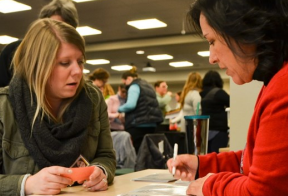
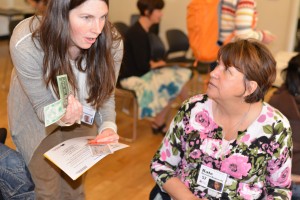
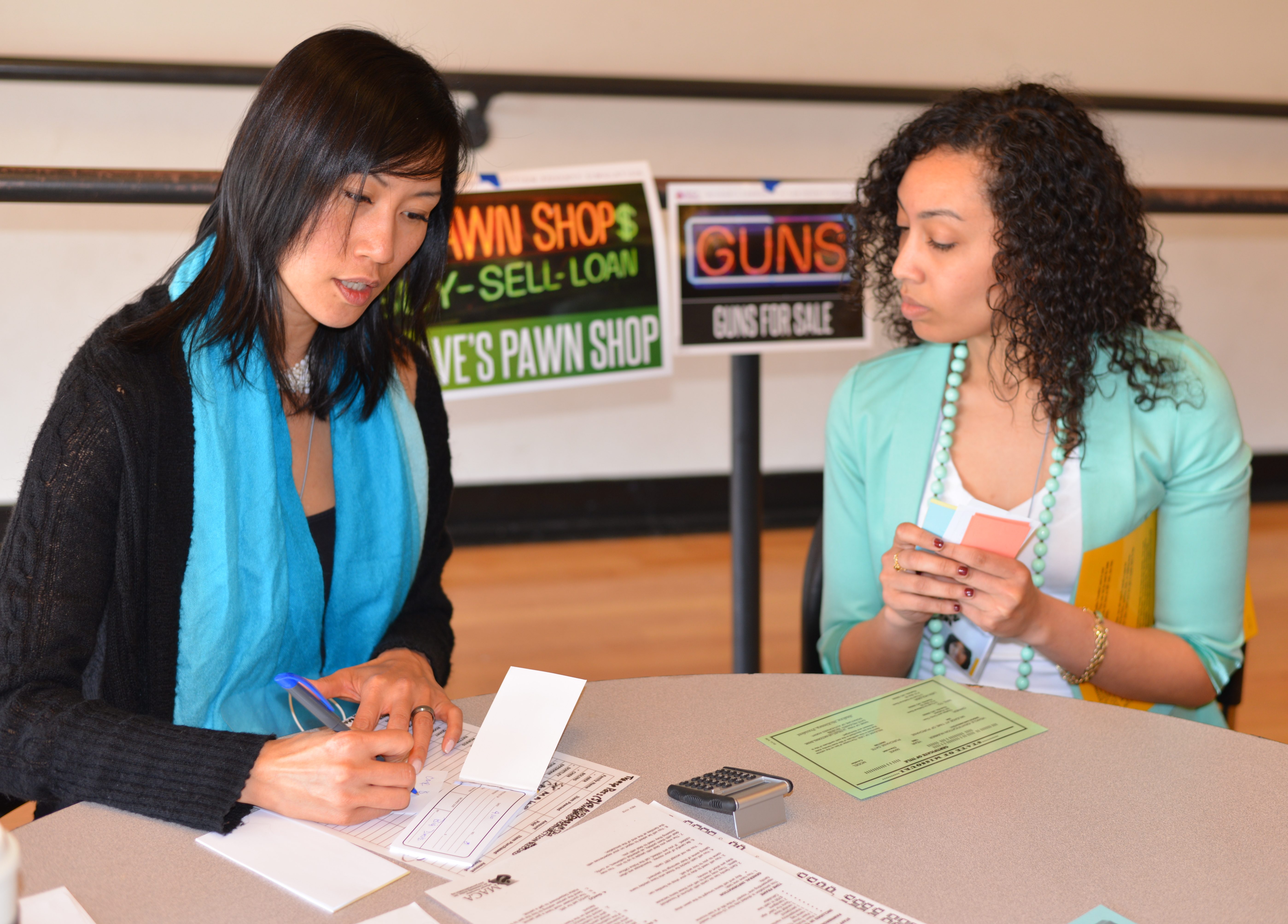
Although it uses play money and fictional scenarios, the Poverty Immersion is a role play – not a game. Participants assume the role of a family member living on limited resources. Aiding in the workshop are volunteers playing the roles of social service workers, bankers, school teachers, grocers, law enforcement, health care etc., providing a ‘community’ with whom the participants interact. It sounds simple enough until attendees are faced with the impossible daily dilemmas that are common when resources are scarce and stress is high. The activity is followed by a facilitated debrief, customized for each organization.
Poverty Immersion workshops can help improve the effectiveness of city governments, school districts, public agencies, and non-profit organizations. The workshop is approved for Continuing Education Credits from WSU’s College of Education.
Outcomes
 1. Policy Development
Lay the groundwork for strategic planning and internal policy development to address equity and access, and more effectively serve people in poverty.
2. Professional Development
Improve decision making and communication when interacting with low income clients and customers.
3. Program Development
Gain new insight into how poverty impacts access to programs and outreach.
The Poverty Immersion Workshop is only the First Step
The Metro Center also helps agencies and organizations take concrete actions to assess, plan, implement, and evaluate sound changes in policies and programs to better serve a diverse clientele. The Metro Center takes an individualized approach, recognizing each organization’s unique structure, needs, and goals to craft sustainable and impactful change.
Contact Information
To learn more, contact Martha Aitken by phone at 206-219-2429 or by email at aitkenm@wsu.edu